Shaolin Zen
Shaolin Chan (Zen), Wu (Shaolin Kungfu), Yi (Medicine) and Nong (Farming)
Shaolin Chan (Zen), Wu (Shaolin Kungfu), Yi (Medicine) and Nong (Farming) constitute a unique cultural system and way of life developed over more than 1,500 years of inheritance at the Shaolin Temple on Song Mountain. Centered on Chan Buddhism, this tradition integrates Shaolin Kungfu, healing, and agriculture, perfectly embodying the Chinese philosophical ideals of harmony between heaven and humanity, unity of knowledge and action, and unity of body and mind.
Chan: The Root of All Dharma, the Essence of the Mind
Chan (Zen) is the soul and foundation of Shaolin culture, with the core purpose of awakening the true mind and cultivating inner stillness.
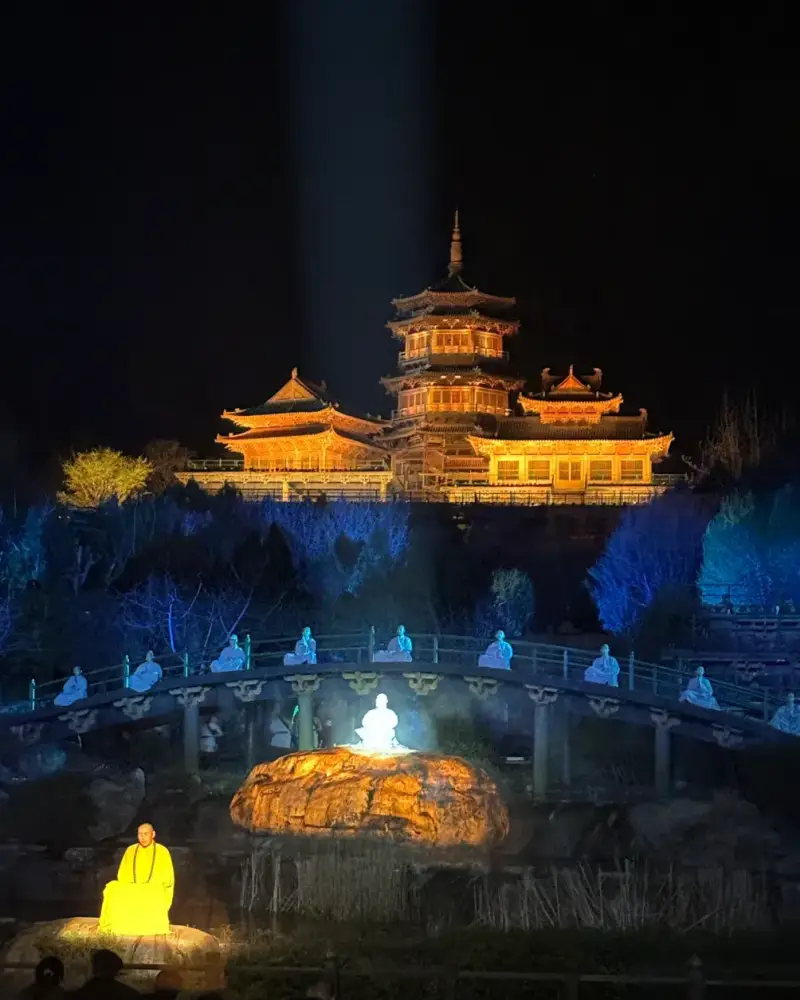
- Founded by Bodhidharma during the Northern Wei Dynasty after nine years of meditation in a cave, Chan established the Shaolin Temple as the ancestral home of Zen Buddhism. Its essence lies in freeing the mind from attachments and attaining inherent wisdom.
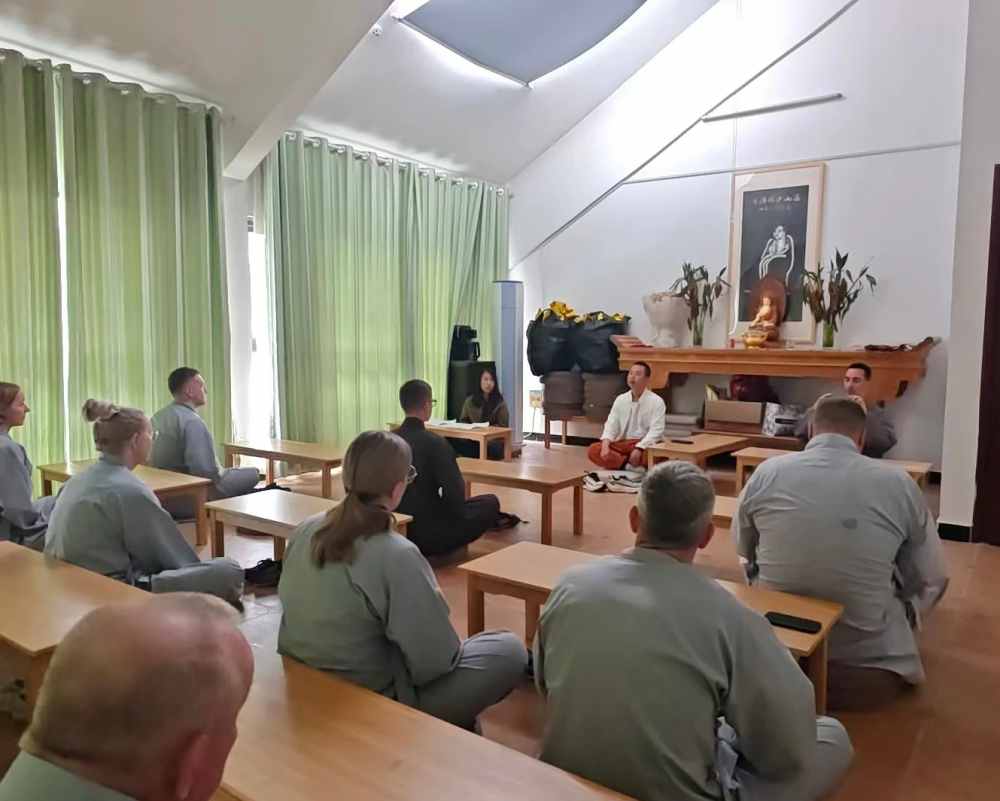
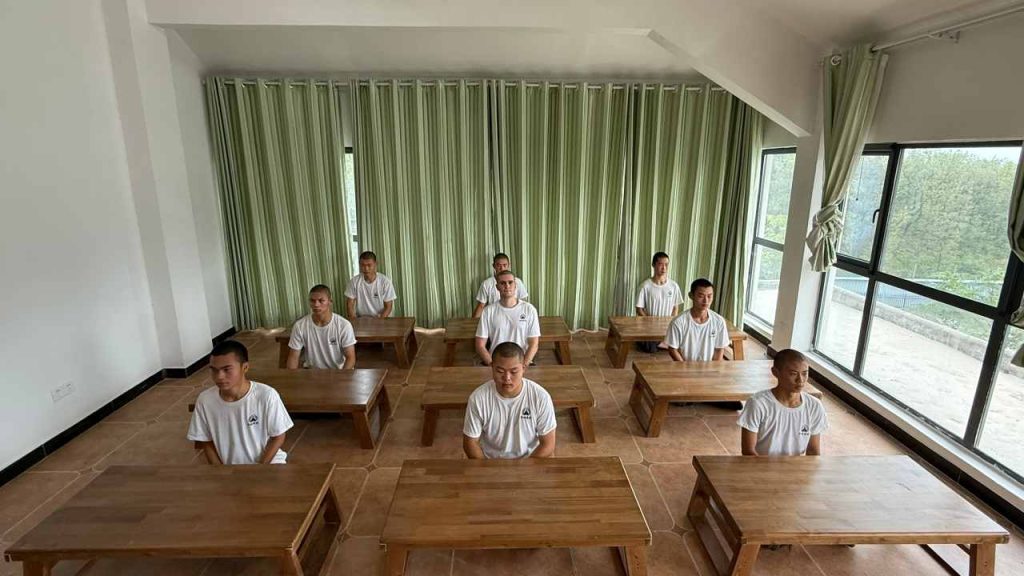
- Practiced through discipline, concentration, and insight, Chan cultivation calms the wandering mind to achieve a state of pure awareness beyond duality.
- As the essence of the four disciplines, Chan(Zen) is the inner principle, while Wu(Shaolin Kungfu), Yi(Shaolin medicine), and Nong(farming) are its outer expressions. Every action becomes a form of Chan practice, and daily life itself is the temple.
Wu(Shaolin Kungfu): The Embodiment of Chan, Strengthening the Body and Protecting the Temple
Wu (Shaolin Kungfu) is the dynamic expression of Chan, aimed at physical fitness, safeguarding the temple, and realizing the Dao through combat.
- The unity of Chan and Wu means Shaolin Kungfu are not mere fighting techniques but a path to enlightenment through movement. Practitioners focus their minds amid motion, attaining clarity and tranquility within form.
- The system includes hundreds of boxing and weapon forms, the 72 Shaolin Arts, grappling, vital-point striking, and internal practices such as the Tendon Changing Classic and Marrow Washing Classic.
Historically, Shaolin warrior monks served the nation, from rescuing Emperor Taizong of the Tang Dynasty to resisting Japanese pirates in the Ming Dynasty, giving Shaolin Wushu a sacred mission of protecting the country and benefiting the people.
Yi (Shaolin medicine): The Compassion of Chan, Healing the Living
Yi (Medicine) is the compassionate practice of Chan, forming the world-renowned Shaolin Traumatology and Chan Medicine.
- Medicine and Shaolin Kungfu share the same origin. Monks injured themselves in training and thus studied medicine: Shaolin Kungfu strengthen the exterior, while medicine regulates the interior.
- Shaolin Chan Medicine integrates Buddhist healing knowledge, traditional Chinese meridian theory, and Zen mind-training, emphasizing treatment of both body and mind. It excels in bone-setting, herbal medicine, acupuncture, and therapeutic exercises like Baduanjin(right section brocade), while using Chan teachings to resolve mental afflictions.
- In 1217, the Shaolin Temple established the Shaolin Pharmacy Bureau, one of China’s earliest official monastic medical institutions, providing free treatment to monks and laypeople alike.
Nong (farming): The Foundation of Chan, Self-Sustenance Through Labor
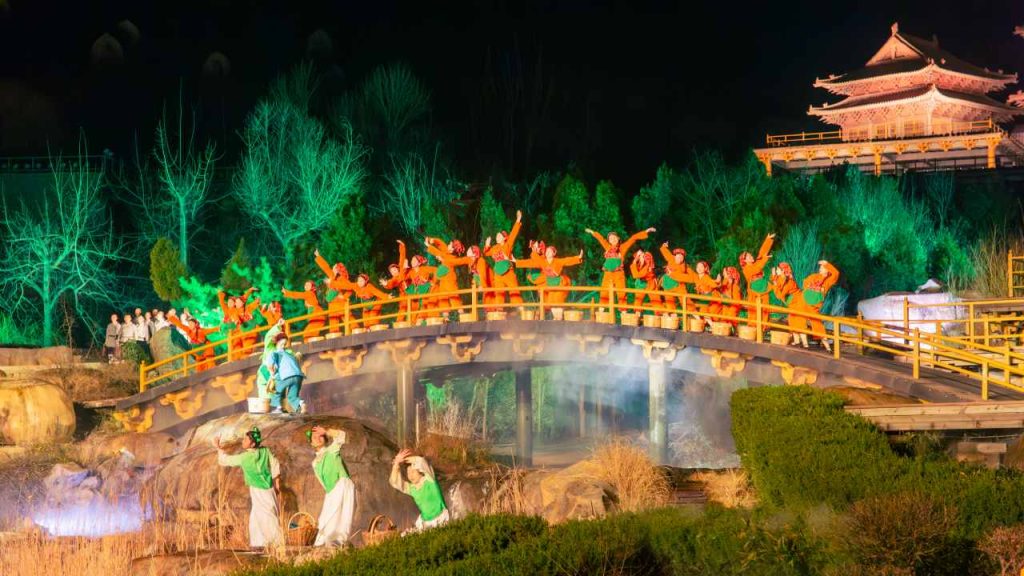
Nong (Farming) embodies the Zen rule: “One day without work, one day without food”, grounding spiritual practice in material life.
- Since the Tang Dynasty, when Master Baizhang Huaihai established the monastic rules, Shaolin monks have upheld combining farming with Zen, supporting themselves through agriculture.
- Carrying water, chopping firewood, plowing, and growing vegetables are all forms of practice. Through seasonal labor, monks cultivate diligence, frugality, patience, and harmony with nature.
- Temple farmland sustains the monastic community and supports relief efforts during disasters, materially realizing the ideal of compassion.
The Harmonious Unity of the Four
Chan (Zen), Wu (Shaolin Kungfu), Yi (Medicine) and Nong (Farming) are interdependent, mutually reinforcing, and perfectly integrated:
- Shaoin Chan and Wu (shaolin kungfu)are inseparable: Chan stabilizes the mind for precise Shaolin Kungfu; Shaolin Kungfu refine the body and energy to deepen meditation.
- Wu(shaolin kungfu) and Yi (medicine) support each other: Shaolin Kungfu build health to prevent illness; medicine heals injuries to sustain practice.
- Yi(medicine) and Chan embody compassion and wisdom: medicine relieves physical suffering, while Chan liberates the mind.
- Nong(farming) and Chan are one: farming is physical meditation; meditation is spiritual cultivation.
- Farming provides the material foundation that allows monks to wholeheartedly practice Chan, train in Wu(shaolin kungfu), and study Yi(medicine).
Modern Value and Inspiration
Shaolin Chan (Zen), Wu (Shaolin Kungfu), Yi (Medicine) and Nong (Farming) represents a profound Eastern wisdom of life:
- For individuals, it offers a holistic system for physical and mental wellbeing: calming the mind through Chan, strengthening the body through Wu(shaolin kungfu), nurturing health through Yi(medicine), and cultivating virtue through labor.
- Culturally, it exemplifies the Chinese ideal of inner sageliness and outer kingliness—combining wisdom, strength, benevolence, and simplicity.
- Globally, it serves as a cultural bridge, sharing the Eastern philosophy of balance, harmony, and self-healing.
In summary, Shaolin Chan (Zen), Wu (Shaolin Kungfu), Yi (Medicine) and Nong (Farming) capture the millennial essence of Shaolin. Chan(Zen) is the mind, Wu (Shaolin Kungfu) the backbone, Yi (Medicine) the lifeblood, and Nong(Farming) the sustenance. United, they form a complete path of cultivating body and mind, blessing oneself and benefiting others—a precious heritage of Chinese civilization for the world.