Mount Songshan
Explore the Sacred Peaks and the Historic Birthpalce of Shaolin Kungfu
Introduction to Mount Songshan
As the central peak among China’s Five Great Mountains, Mount Songshan integrates world-class geological wonders, a sacred land where three religions coexist, and the legendary birthpalce of shaolin kungfu. Nestled in a majestic landscape, the historic Mount Songshan Shaolin Temple area serves as a monumental spiritual pillar, blending natural wonders with deep martial arts heritage.
Geographic Overview: The Center of Heaven and Earth
- Location & Scope: It is situated in the northwest of Dengfeng City, Zhengzhou, mount songshan henan, belonging to the Funiu Mountain Range. Stretching about 60 kilometers east to west and 20 kilometers wide, it covers a total area of around 450 square kilometers. It is 70 kilometers away from Zhengzhou in the east and 50 kilometers from Luoyang in the west, overlooking the Yellow River to the north and facing the Yingshui River to the south.
- Mountain Composition: It consists of two major mountain ranges, Taishi Mountain and Shaoshi Mountain, with a total of 72 peaks (36 peaks for each range).
- Taishi Mountain: Features grand and majestic terrain. Its main peak, Junji Peak, stands at 1,491.7 meters above sea level, traditionally recognized as the main summit of Mount Song.
- Shaoshi Mountain: It is steep and precipitous. Its highest peak, Liantian Peak, reaches 1,512 meters, standing proud as the tallest point of this legendary Shaolin Temple mountain.
Historical Evolution: A Sacred Mountain for Imperial Worship
Name Origin: It was called Waifang in ancient times; known as Songgao and Chongshan in the Xia and Shang dynasties, and Tianshi Mountain in the Western Zhou Dynasty. After the Eastern Zhou capital moved to Luoyang, it was designated as the Central Mount Song for its location at “the center of heaven and earth.” The Book of Songs records: “Grand is the Song Peak, reaching high to the sky.”
Imperial Rituals: Regarded as the cosmic center since ancient times, it was a sacred site where emperors held grand worship ceremonies to pray for national prosperity and peace. Emperor Wu of the Han Dynasty paid homage here and officially confirmed its status as the Central Great Mountain.
Empress Wu Zetian: She ascended Mount Song for worship eight times during her reign. She honored it as the “Divine Peak of Heavenly Center,” changed her reign title to Wanshou Dengfeng, and renamed the local county Dengfeng, meaning “ascending Mount Song, enfeoffing the Central Peak, and accomplishing great achievements.”
Religious & Cultural Heritage: Harmony of Three Religions, Zen & Shaolin Kungfu
Mount Songshan is the only sacred mountain in China where Confucianism, Buddhism and Taoism coexist and thrive in harmony, bearing profound Chinese civilization.
Buddhism: Ancestral Shrine of Zen, Cradle of Kung Fu
The Monastery grounds: Nestled at the foot of Wuru Peak in Shaoshi Mountain, the legendary mount songshan shaolin temple was founded in 495 AD (the 19th year of the Taihe reign in the Northern Wei Dynasty).
Ancestral Shrine of Zen Buddhism: The Indian master Bodhidharma meditated facing a wall here for nine years and spread Zen Buddhism, making the compound the origin of Chinese Zen.
The Cradle of Martial Arts: Monks originally created martial systems for physical fitness and temple defense on this shaolin temple mountain. After thousands of years of development, it has become a world-famous symbol of martial arts, establishing this unique geography as the true historical birthpalce of shaolin kungfu, with the reputation that “all kung fu under heaven originates from Shaolin.”
Songyue Pagoda: Built in 523 AD during the Northern Wei Dynasty, it is China’s oldest existing brick pagoda and the only 12-sided multi-eave pagoda. It is a core part of the World Cultural Heritage Historic Monuments of Dengfeng in the Center of Heaven and Earth.
Other Notable Sites: Includes Chuzu Nunnery, Erzu Nunnery, and Fawang Temple, which stands as one of China’s earliest Buddhist temples.
Taoism: Taoist Blessed Land, Premier Peak of the Five Mountains
Zhongyue Temple: Located at the southern foot of Taishi Mountain, it was first built in the Qin Dynasty. It is the largest and best-preserved ancient Taoist architectural complex among the Five Great Mountains, known as the “Little Forbidden City.” Covering over 100,000 square meters with more than 400 halls, it enshrines the God of Zhongyue and ranks as the sixth minor blessed land of Taoism.
Three Han Que Towers: Including Taishi Que, Shaoshi Que, and Qimu Que, built in the Eastern Han Dynasty. They are China’s oldest surviving national ritual architectural relics, exquisite in carving and invaluable for historical and artistic research.
Confucianism: Cradle of Neo-Confucianism, One of the Four Great Academies
Songyang Academy: Situated at the southern foot of Taishi Mountain, it was originally a Buddhist temple and later transformed into a Confucian academy in the Song Dynasty. Together with Yingtian Academy, Yuelu Academy, and Bailudong Academy, it is known as one of the Four Great Academies of the Song Dynasty.
Neo-Confucian Masters: Cheng Hao and Cheng Yi lectured here for a long time, making it a key birthplace and dissemination center of Cheng-Zhu Neo-Confucianism. The academy houses two ancient cypresses named “General Second Cypress,” planted over 2,000 years ago by Emperor Wu of the Han Dynasty.
Core Cultural Relics (World Cultural Heritage)
Shaolin Pagoda Forest: A cemetery for eminent monks from past dynasties, with 248 brick and stone pagodas built from the Tang to the Qing Dynasty. It remains China’s largest existing pagoda forest.
Gaocheng Observatory: Designed by the renowned astronomer Guo Shoujing in the Yuan Dynasty, it is China’s oldest and best-preserved ancient observatory, as well as a world-famous astronomical architectural relic.
Tourism & Scenic Zones
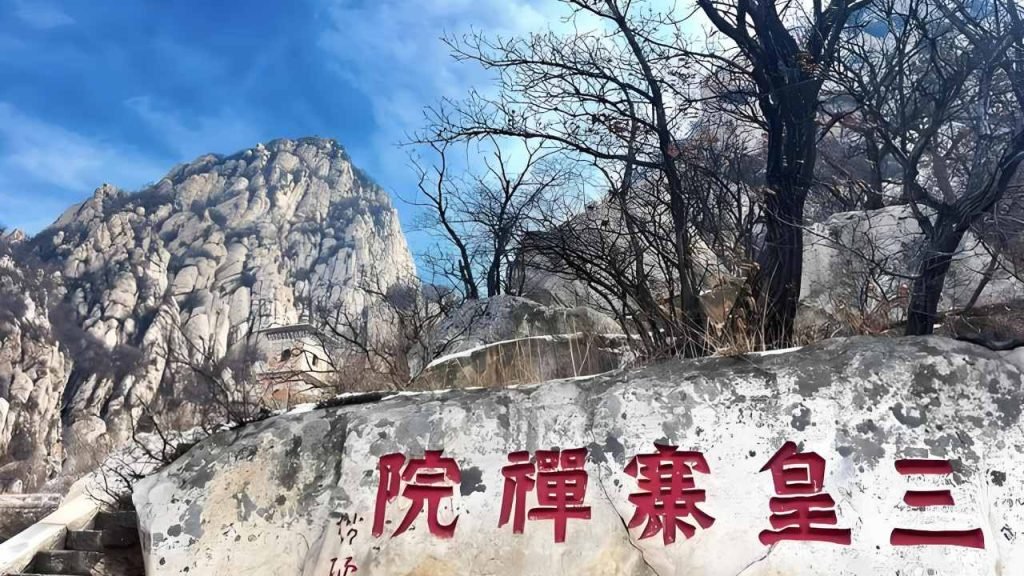
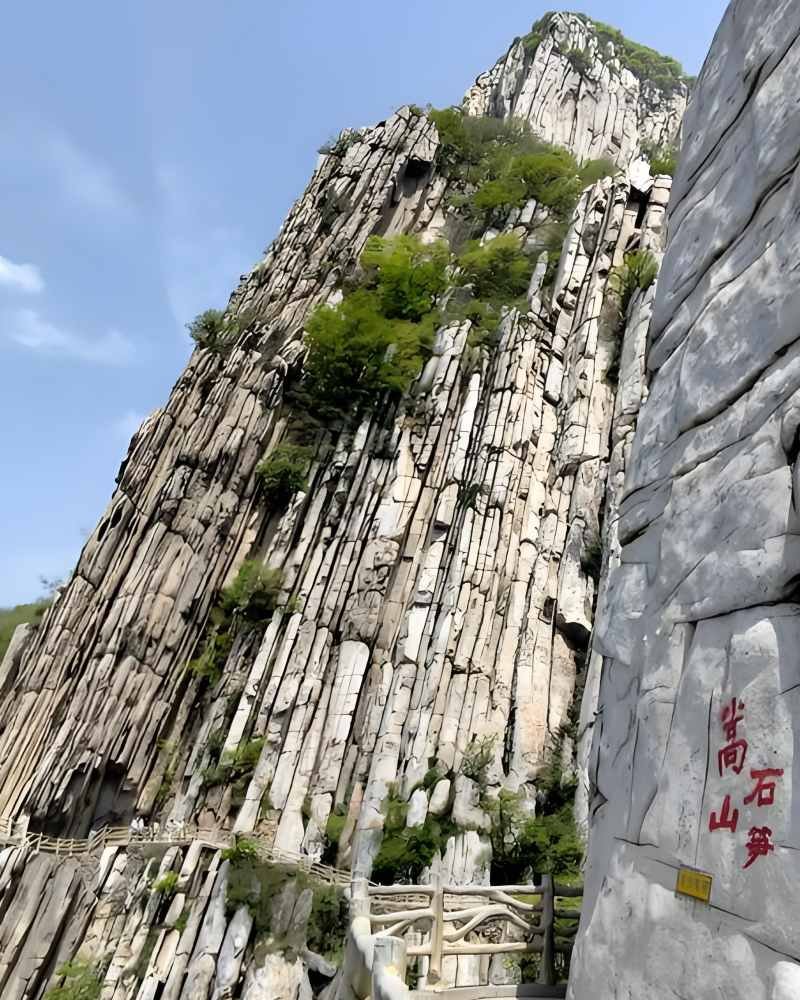
Shaolin Scenic Area (Zen & Kung Fu): Covers the Shaolin Temple Main Compound, Pagoda Forest, Chuzu Nunnery, Dharma Cave, Shaolin Kungfu performance venue, and Sanhuangzhai with stunning geological landscapes. It features authentic Zen culture, traditional martial training on the shaolin temple mountain, and precipitous natural scenery.
Zhongyue Scenic Area (Taoism & Blessing): Includes Zhongyue Temple, Junji Peak of Taishi Mountain, and Luya Waterfall. It highlights Taoist culture, mountain hiking, and blessing rituals, as well as natural water landscapes.
Songyang Scenic Area (Confucianism & Traditional Learning): Comprises Songyang Academy, Songyue Pagoda, and Fawang Temple. It focuses on Confucian Neo-Confucianism, ancient architecture, and stele culture.
Honors & Status
World Cultural Heritage (2010)
World Geopark (2004)
National 5A-level Tourist Attraction
National Key Scenic Spot
An important birthplace of Chinese civilization
In summary, Mount Song is not only a mountain of extraordinary geological wonders, but also a cultural sacred mountain that carries 5,000 years of Chinese civilization, integrates three major religions, and nurtures the timeless spirit and historical birthpalce of shaolin kungfu.