3-Year Successor
3 Year Successor Program of Shaolin Orthodox Disciple Inheritance Training Program
Core Objectives
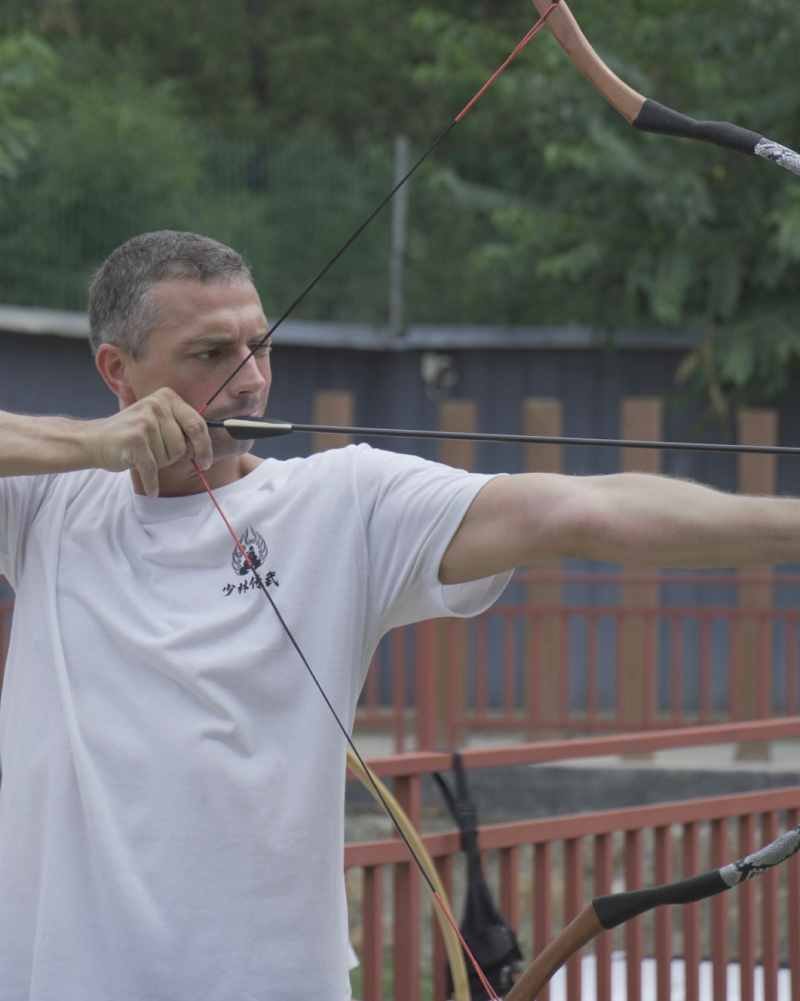
Adhering to the tenet of “dual cultivation of Zen and Shaolin Kung fu, simultaneous progress in academics and combat skills”, this 3 year successor framework inherits the authentic kung fu and culture of Shaolin. We nurture future disciples of Shaolin Temple by developing solid foundational skills, upright moral character, and capabilities in both inheritance and practical application. Upholding the core of intangible cultural heritage inheritance for Shaolin, we ensure the all-round development of physical fitness, technical proficiency, and personal literacy.
Quota & Selection Requirements
Quota
A maximum of 20 openings are available for this inheritance program. We select disciples with outstanding natural talent, proper mentality, and a strong aspiration to carry forward Shaolin culture, enrolling them into a systematic 3-year training system.
Core Selection Requirements
Age: 8 to 45 years old. Applicants must be physically and mentally healthy, free from congenital diseases, infectious illnesses, and sports contraindications, and able to adapt to full-time closed-door training and study.
Mentality: Possess good conduct, respect teachers and uphold morality, maintain modesty and restraint, and have no bad habits. Recognize Shaolin’s philosophy of “dual cultivation of Zen and Shaolin Kung Fu, cultivating virtue through martial practice”; aspire to inherit Shaolin Kung Fu and culture long-term; and demonstrate perseverance and a willingness to endure hardship.
Foundation: Beginners without prior martial experience must have good physical stamina, flexibility, and learning comprehension. Applicants with prior shaolin kung fu training will be given priority; they need to demonstrate basic martial movements to show athletic talent and physical coordination.
Others: Willingly abide by the code of conduct for Shaolin disciples and all management regulations of the inheritance program; follow coaches’ arrangements; participate in the full 3-year training; and shall not withdraw midway without special circumstances.
Selection Process
Application & document submission → Physical fitness & basic skill assessment → Mental attitude interview → Comprehensive review by Shaolin inheritance masters → Admission into the inheritance class. The whole process ensures fairness, impartiality, and transparency, in line with authentic Shaolin inheritance standards.
Training Duration
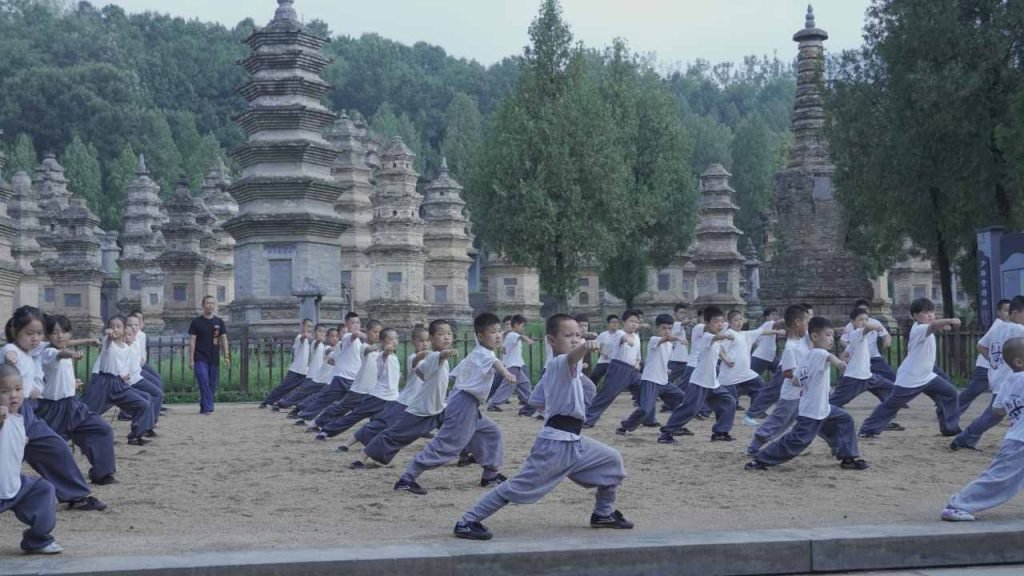
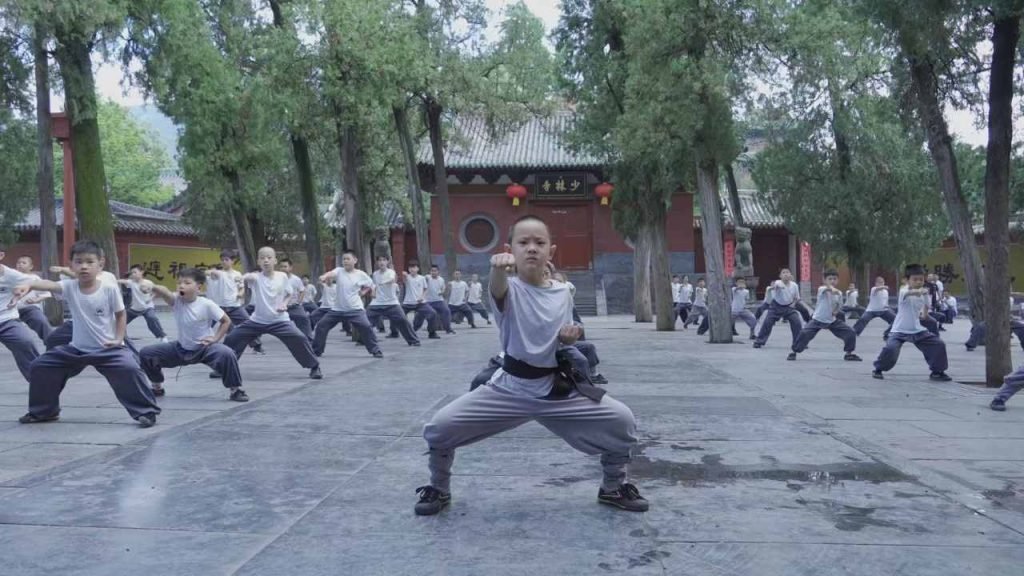
3 years (divided into 3 stages, 12 months per stage). Full-time closed-door management is implemented, following the principles of progressive learning and teaching students in accordance with their aptitude, seamlessly integrating traditional shaolin boxing modes with modern, scientific training systems.
Phased Training Content (Core Essentials)
Stage 1 (Month 1–12: Foundation Building Phase)
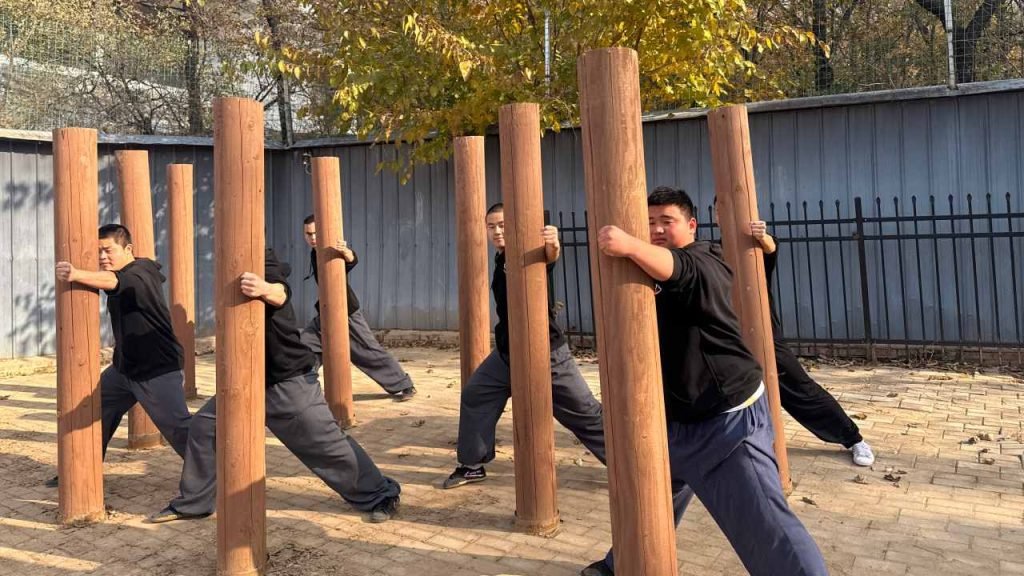
Shaolin Kung fu: Focus heavily on consolidating fundamental shaolin kung fu stances (Horse Stance, Bow Stance) and essential stepping techniques (Empty Stance, Drop Stance). Hand techniques include the straight punch, palm push, and block, balanced with core flexibility training. Conduct systematic practice of basic classic Shaolin routines (Minor Hong Quan, entry-level Shaolin boxing routines), and introduce fundamental staff techniques. Daily physical training covers endurance, explosive power, and flexibility, standardizing force application. Cultivate interest in Shaolin Kung fu and rigorous training habits to lay a solid foundation for advanced learning of weapons and high-level classic routines.
Culture: Lay a solid foundation in traditional Chinese studies; recite and interpret the Standards for Being a Good Student and Child and the Three Character Classic to instill values of filial piety, integrity, and respect for teachers. Offer introductory Shaolin culture courses covering the origin, development, and core spirit of Shaolin. Strengthen martial ethics with the principle of “cultivating virtue before practicing Shaolin Kung fu” to prevent abuse of combat skills. Basic academic courses are also provided to ensure cultural enlightenment, realizing the goal of “nourishing the mind with literature and strengthening the body with Shaolin Kung fu”.
Assessment: Pass standard evaluations for basic movements and physical fitness; perform the complete Minor Hong Quan entry routine; master basic martial ethics and general Shaolin cultural knowledge with a respectful and disciplined attitude.
Stage 2 (Month 13–24: Skill Advancement Phase)
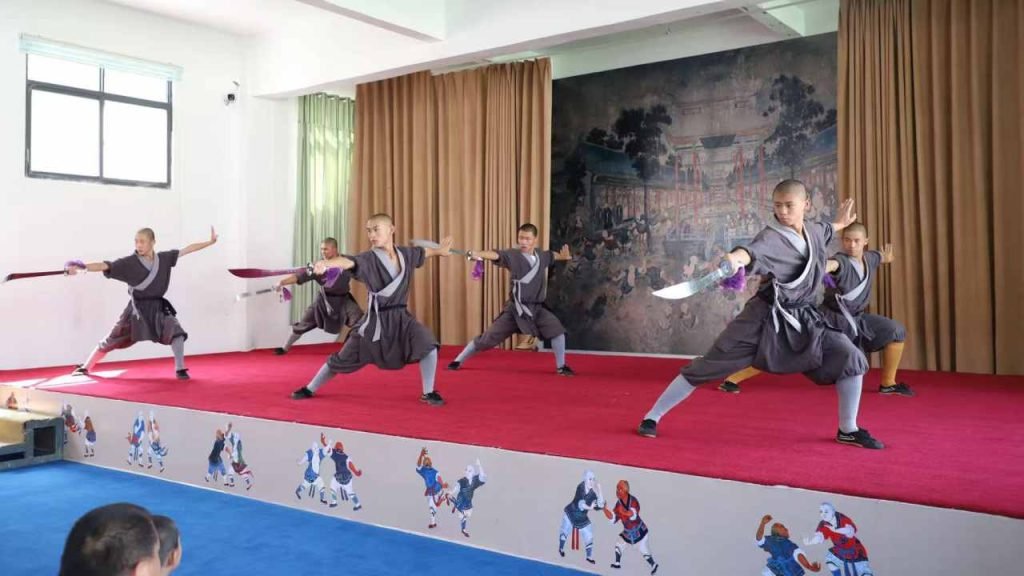
Shaolin Kung fu: Build on foundational skills to learn core classic shaolin boxing routines systematically (Major Hong Quan, Arhat Fist, Plum Blossom Fist), refining routine fluency and force coordination. Accelerate weapons training: in-depth practice of classic Shaolin staff routines (Eyebrow-High Staff), introductory Shaolin broadsword routines, basic Shaolin spear routines, and preliminary Shaolin sword training. Master standard gripping, swinging, and closing stances for all weapons. Introduce basic Sanda and practical combat skills, including blocking, dodging, and offensive-defensive coordination. Enhance physical training focusing on strength, speed, and agility to achieve proficient boxing skills, steady weapon handling, and structured combat responses, gradually improving practical combat ability and weapon proficiency.
Culture: Deepen studies on Shaolin history and basic Zen culture; interpret selected excerpts from The Analects and Tao Te Ching to understand the core essence of “integration of Zen and Shaolin Kung fu”. Offer calligraphy and traditional etiquette courses, including Shaolin calligraphy, apprenticeship rituals, and daily manners to cultivate a refined temperament. Advanced academic courses (Chinese, Mathematics, and history) to balance martial and cultural education and avoid overemphasizing combat skills over academics.
Assessment: Perform complete and standard Major Hong Quan and Arhat Fist routines; master basic Eyebrow-High Staff techniques and simple weapon demonstrations; grasp fundamental Sanda offensive and defensive skills; demonstrate proficient knowledge of Shaolin history and basic Zen practice, with qualified results in calligraphy, etiquette, and academic examinations.
Stage 3 (Month 25–36: Inheritance & Practical Application Phase)
Shaolin Kung fu: Specialize in 1 to 2 distinctive Shaolin disciplines based on personal talent and interest (optional: traditional routines, featured weapons, Shaolin health preservation exercises). Routine options include advanced classic Shaolin boxing forms (Emperor Taizu Long Fist, Arm-through Fist, Mantis Fist, and Bajiquan). Weapon options cover advanced Eyebrow-High Staff, complete single/double broadsword routines, advanced Spring-Autumn Broadsword, full Shaolin spear, and advanced Shaolin sword forms. Refine technical details, movement precision, and force expression to form personal characteristics. Learn systematic teaching methods and movement decomposition skills to acquire basic instructional abilities. Participate in Shaolin cultural inheritance performances and public welfare promotion activities to accumulate practical experience. Access foundational training of the 72 Shaolin arts to deepen practical combat proficiency and technical depth.
Culture: Conduct in-depth research on Shaolin culture and Zen ideology, practice the philosophy of “integration of Zen and Shaolin Kung fu”, and comprehend the spiritual core of Shaolin Kung Fu. Learn knowledge related to intangible cultural heritage protection and inheritance of Shaolin kung fu. Complete periodic academic summaries and write reflection essays on Shaolin cultural studies. Add basic Shaolin medical courses covering simple sports injury treatment and health preservation knowledge to enhance comprehensive literacy and foster independent inheritance awareness.
Assessment: Achieve specialization proficiency; independently demonstrate and decompose specialized skills with basic teaching capabilities; master in-depth knowledge of Shaolin culture and intangible cultural heritage inheritance; and submit qualified study reflections. Those passing the practical inheritance assessment will receive an official completion certificate. Outstanding graduates may participate in a traditional apprenticeship ceremony to formally learn from authentic Shaolin inheritance masters, joining the official Shaolin inheritance lineage and undertaking the responsibility of carrying forward Shaolin kung fu and culture.
Core Regulations
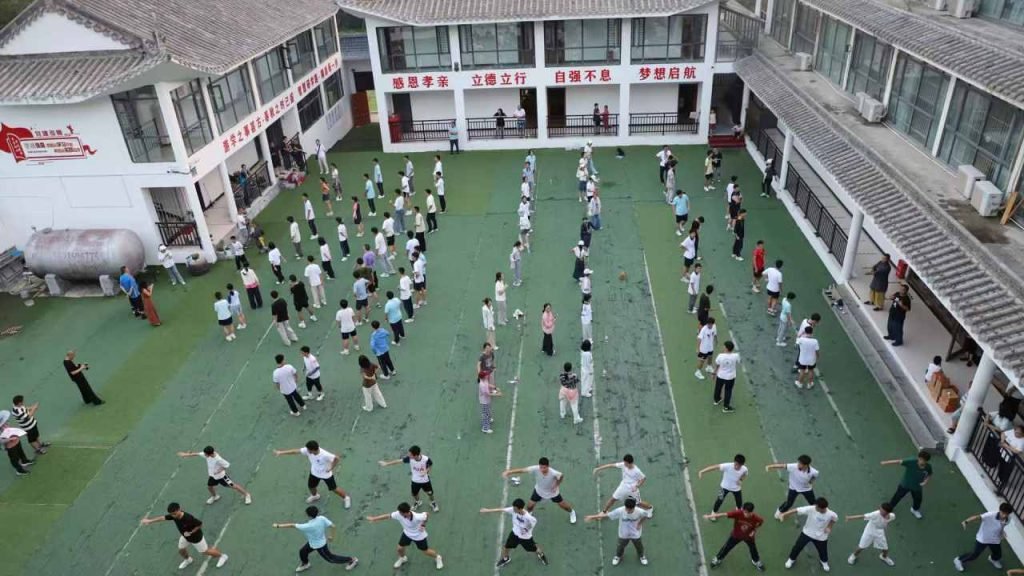
Discipline: Strictly abide by the code of conduct for Shaolin disciples; respect teachers, avoid arrogance and impetuosity. Military-style management is implemented to cultivate independent living abilities.
Teaching Staff: The faculty consists of authentic Shaolin inheritance masters, professional coaches, and academic teachers, ensuring professional teaching and orthodox cultural inheritance.
Support: Scientific scheduling of martial and cultural courses with complete teaching facilities; prioritize physical recovery and mental health, adhering to the teaching principle of integrating dynamic practice and static cultivation.
Career Paths after Graduation
Excellent graduates of this shaolin kung fu training program may stay at the temple for cultural inheritance, work as professional coaches, participate in Shaolin cultural exchanges and intangible heritage performances, engage in film and television acting, or establish Shaolin training centers overseas, achieving diversified career development.