Teaching Instructors
Shaolin Pastoral Kung Fu School: Unveiling the Faculty Strength
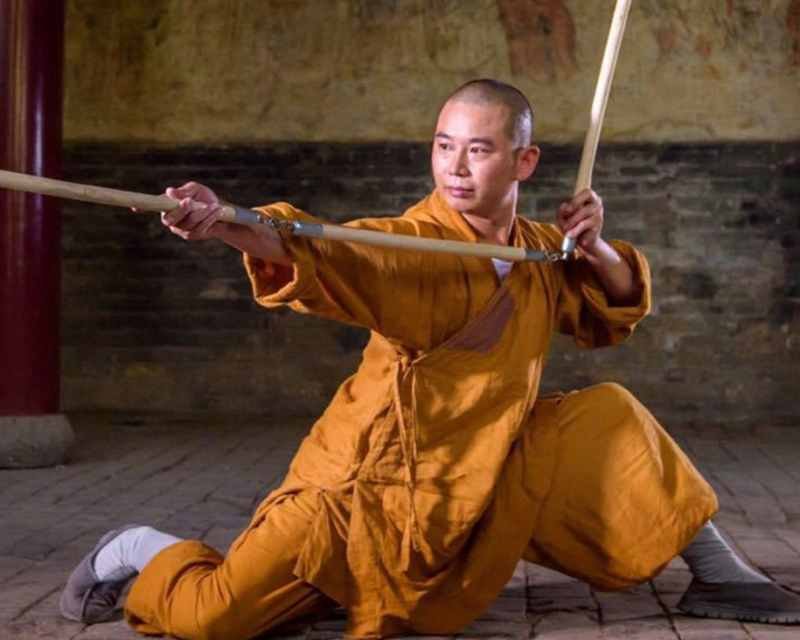
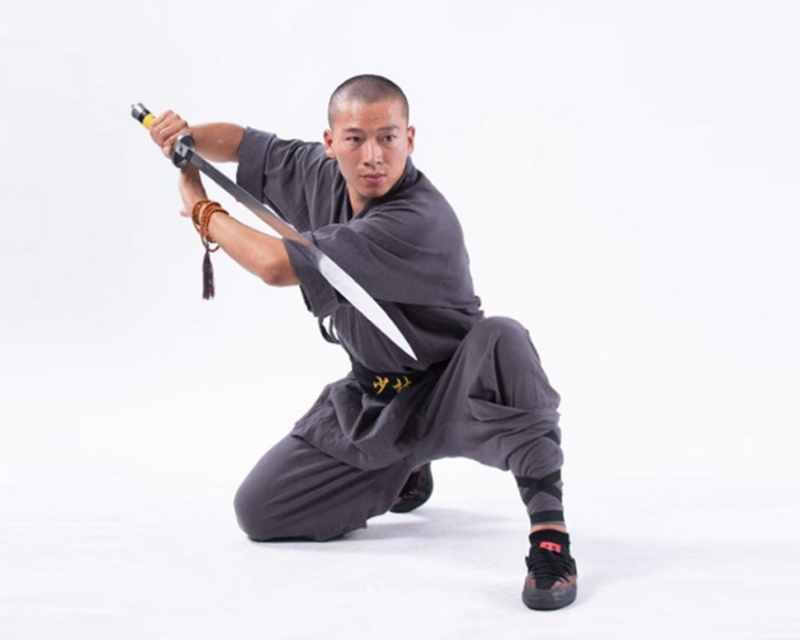
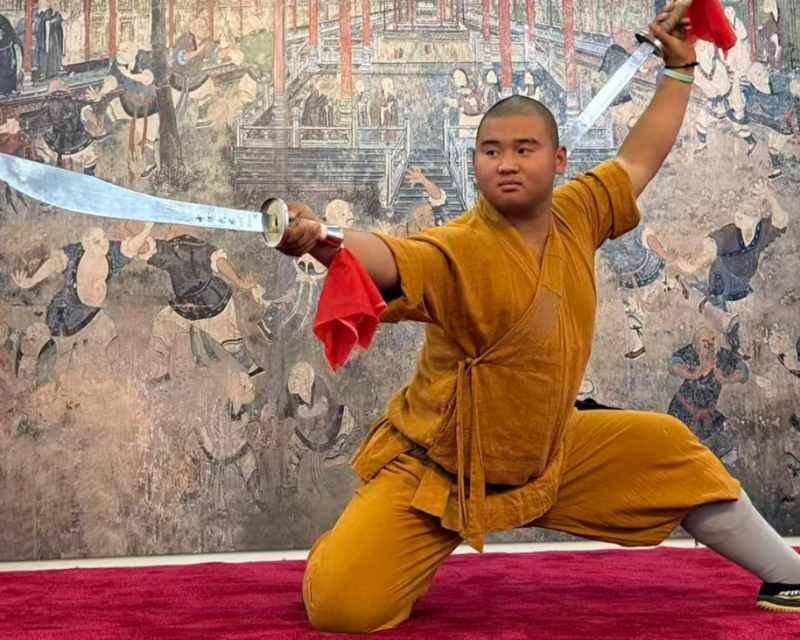
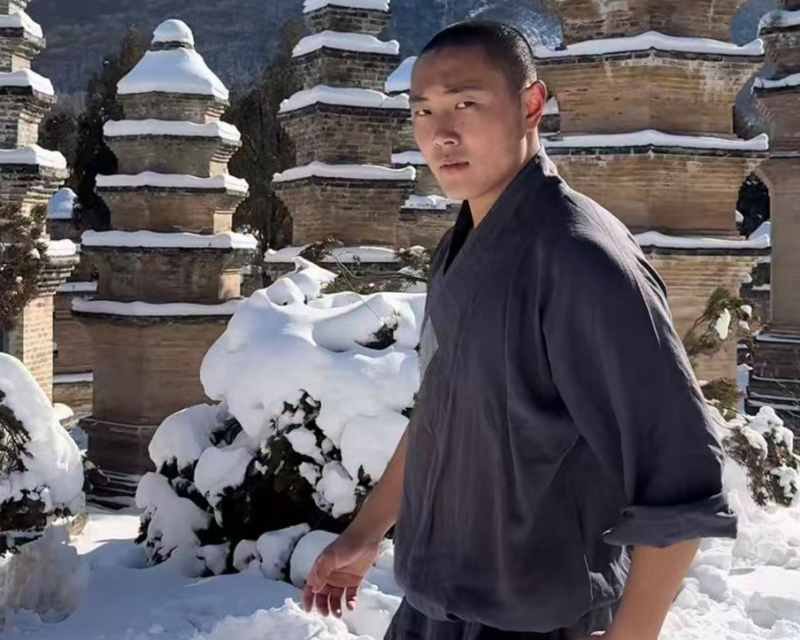
The core competitiveness of Shaolin Pastoral Kung Fu School ultimately lies in its irreplaceable faculty strength, all instructors are authentic monks and disciples from the Shaolin Temple. This mark of orthodox temple lineage not only distinguishes the school from ordinary martial institutions on the market but also endows teaching with the purest Shaolin essence. Its uniqueness is embodied in four dimensions: pure inheritance, authoritative skills, unified philosophy, and cultural immersion. This is a core advantage unmatched by other schools and the fundamental guarantee for the school to fulfill its promise of teaching genuine martial arts.
Learn from Authentic Shaolin Kung Fu Masters with Traceable Lineages
The uniqueness of our faculty first stems from its temple‑originated inheritance background, which is completely different from the patchwork and quick‑training recruitment models adopted by civilian schools. To provide a truly orthodox education, we ensure our students learn from authentic shaolin kung fu masters who have a verifiable, traceable pedigree.
All instructors are either ordained monks of the Songshan Shaolin Temple with full monastic precepts and official monk status, or official lay disciples who have formally acknowledged masters, received teachings, and been given Dharma names. This means every instructor’s skills can be traced back through generations of eminent Shaolin monks, including Zen Master Suxi and Master Deyang, bearing generational characters such as De, Xing, Yong, and Yan. Through long‑term temple practice, they strictly abide by Shaolin martial ethics and precepts, such as the Ten Non‑Transmission Principles. In contrast, civilian practitioners at other institutions lack access to this orthodox temple inheritance system, making our lineage the ultimate guarantee of authenticity.
The Elite Shaolin Temple Monk Kung Fu Instructors and Their Technical Mastery
Our instructors’ technical capabilities break the industry stereotypes of overemphasizing routines over internal power, and performances over actual combat. The exceptional team of shaolin temple monk kung fu instructors at our school cultivates both internal and external disciplines using authentic secret teachings passed down directly within the temple system.
As orthodox inheritors, these instructors are proficient in foundational forms and weapons, including original temple routines such as Xiao Hong Quan, Da Hong Quan, Pao Quan, Luohan Quan, and Qi Xing Quan, alongside traditional weapons like the broadsword, spear, sword, staff, and nine‑section whip. More importantly, they master esoteric practices inaccessible to civilian schools, such as Yi Jin Jing, Xi Sui Jing, Xin Yi Ba, the 72 Shaolin supreme esoteric skills, grappling techniques, and hard Qigong. They follow the traditional temple path – laying foundations, practicing internal power, learning routines, and studying combat – ensuring that their teaching possesses both sharp combat effectiveness and deep spiritual form.
As orthodox inheritors, instructors are proficient in foundational Shaolin forms and weapons, including original temple routines such as Xiao Hong Quan, Da Hong Quan, Pao Quan(Cannon-style Fist), Luohan Quan(Arhat Boxing), Qi Xing Quan(Seven-star Boxing), and traditional weapons including broadswords, spears, swords, staffs, and nine‑section whips.
More importantly, they master esoteric Shaolin practices inaccessible to civilian schools: internal cultivation methods such as Yi Jin Jing(Muscle-Tendon Strengthening Methods) and Xi Sui Jing(Marrow Cleansing Classics), as well as combat specialties including Xin Yi Ba(Heart-Mind Key Techniques), 72 Shaolin supreme esoteric skills, grappling techniques, and hard Qigong. These skills are passed down orally and personally within the temple, never publicly disclosed, and represent the very essence of Shaolin Kungfu.
What makes our instructors even more distinctive is that their skills are deeply rooted in the core principle of Zen‑Kungfu He Yi (Unity of Zen and Shaolin Kungfu). Practicing Shaolin Kungfu is practicing Zen; the force, breathing, and intention behind every movement integrate deeply with Zen philosophy, pursuing the realm of “No form in form, no intention in intention; true intention lies in no intention”.
Essentially a combat art, Shaolin Kungfu emphasizes striking in a straight line, attacking without form, using opponent’s force, and harmonizing hardness and softness, distinguishing itself from the performance‑oriented nature of modern competitive Shaolin Kungfu.
Training follows the traditional temple path: lay foundations, practice internal power, learn routines, study combat, opposing quick success and ensuring solid roots.
Our instructors are not mere Shaolin Kungfu coaches but practitioners of Zen‑Kungfu culture. Their skills possess both form and spirit — sharp combat effectiveness and restrained Zen cultivation, unlike ordinary instructors who only teach movements without mental methods. Such comprehensive competence can only be attained by long‑term temple disciples with orthodox inheritance, marking the most prominent feature of our faculty.
Training Under Elite Wushu Masters in China for Real Combat and Character
What makes our faculty truly distinctive is that their skills are deeply rooted in the core principle of Zen‑Kungfu He Yi (the Unity of Zen and Martial Arts). Training under these elite wushu masters in china means understanding that practicing martial arts is a form of practicing Zen. The force, breathing, and intention behind every movement integrate deeply with Zen philosophy, pursuing a realm where true intention lies in no intention.
Essentially a combat art, this style emphasizes striking in a straight line, attacking without form, using the opponent’s force, and harmonizing hardness and softness, completely distinguishing itself from the performance‑oriented nature of modern competitive martial arts. Our instructors are not mere coaches; they are deep practitioners of Zen culture who teach students how to hit sharply while maintaining a restrained, disciplined mind. This comprehensive level of combat competence can only be attained by long-term temple disciples
Why Official Shaolin Kung Fu Certification Demands Temple Lineage Teachers
The uniqueness of our faculty is further reflected in its temple‑style teaching philosophy, which completely abandons the utilitarian tendency of overvaluing skills over morality and seeking quick results. We believe that achieving a true, meaningful shaolin kung fu certification requires a deep understanding of the ancient teaching: “Learn etiquette before learning art; learn virtue before learning martial arts.”
Our instructors stress a righteous mind, an upright body, and proper boxing. They infuse martial ethics such as loyalty, filial piety, integrity, perseverance, and compassion into every single class. In teaching, they impart techniques while guiding learners to develop concentration through stance training, purify the mind through Zen teachings, and regulate words and deeds through precepts. This philosophy achieves the triple goals of practicing martial arts, cultivating virtue, and realizing enlightenment, creating a core value that ordinary schools simply cannot replicate.
Embracing the Sacred Way of Kung Fu Zen Shaolin as Inheritors and Guardians
Our instructors bear the dual identity of inheritors and guardians, a responsibility unmatched by ordinary martial arts coaches. As orthodox monks and disciples, they are successors and protectors of the millennium‑old culture of kung fu zen shaolin. Teaching is not merely a profession for them; it is a lifelong mission to carry forward and preserve the authenticity of Shaolin culture.
Therefore, our instructors adhere strictly to the principle of orthodox inheritance without adaptation or simplification. Teaching strictly follows the original temple training system, from basic stances and internal cultivation to forms, weapons, and combat techniques, preserving authenticity in every detail to prevent the loss of core meanings amid modern commercialization. Meanwhile, instructors regularly return to the Shaolin Temple for further study, exchanging skills and Zen insights with eminent monks to maintain alignment with orthodox temple standards. They serve as vital bridges for cultural communication, ensuring every learner receives an education closest to the original Shaolin Temple.